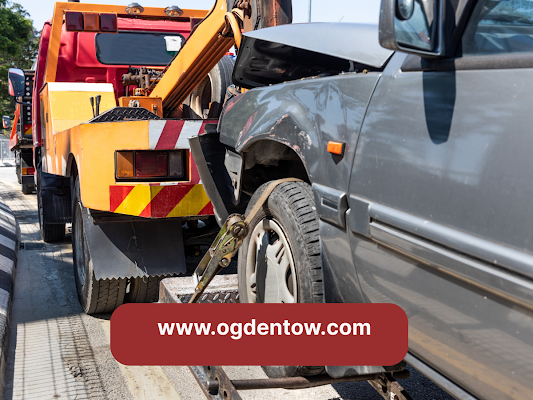
If you've ever had to call a tow truck, you know that getting your car unstuck can be a frustrating experience. This blog post will outline the most common towing problems and how to fix them. From broken tow hooks to improper installation, we'll cover everything you need to know in order to get your car back on the road as quickly as possible. So if you're ever in a situation where a tow truck is needed, read through this guide first.
1. Broken or disconnected tow hitch
2. Damaged or worn down cables
3. Faulty or corroded connectors
4. Loose-fitting hardware
5. Bent, missing, or broken wires
6. Incorrectly installed clamps or brackets
7. Poor ground connection
A broken or disconnected tow hitch can be a frustrating problem, especially if you're trying to drive a vehicle with one. It can cause slippage and uneven drag when pulling a trailer, leading to the vehicle losing speed and momentum.
The most common causes of a broken or disconnected tow hitch include damaged or misaligned towbar, worn or damaged receiver, and improper cabling. To correct this problem, it is important to diagnose the underlying cause of the issue. This can often be difficult because many factors can contribute to a broken or disconnected tow hitch, including use, wear, and age of the trailer and vehicle. In some cases, it may be necessary to have the tow hitch replaced.
Damaged or worn-down cables are one of the most common towing problems. There are several reasons why this could happen. One possibility is that a cable has been damaged by road debris or another object in the road. Another possibility is that a cable detached from its vehicle connection point. A cable can also be damaged during roadside maintenance, such as when a mechanic cuts or splices it.
To avoid damage and ensure a safe towing experience, it is important to ensure that all cables are properly installed and maintained. It is also important to use quality connectors and adapters when connecting cables to trailers and other vehicles. In some cases, replacing damaged cables with new ones may be necessary. Following these steps can help prevent damaged or worn-down cables from causing trouble on the road.
Faulty or corroded connectors are among the most common towing problems. These problems can occur when a connector fails, causing a connection between two vehicle parts to break.
Several types of connectors are used in cars, including vacuum and electronic ones. Vacuum connectors are commonly used in diesel and older gasoline-powered vehicles, while electronic connectors are more commonly found on newer vehicles.
If a faulty or corroded connector is causing a towing problem, there are several steps you can take to troubleshoot and fix the problem. First, check for signs of electrical interference, such as flickering dashboard lights or erratic windshield wiper movement. Also, check for any visible signs of damage to the connector itself, such as corrosion or cracks in the plastic housing. Finally, consider replacing the damaged connector with a new one. By following these steps, you'll most likely be able to resolve your towing problem and get back on the road quickly and safely.
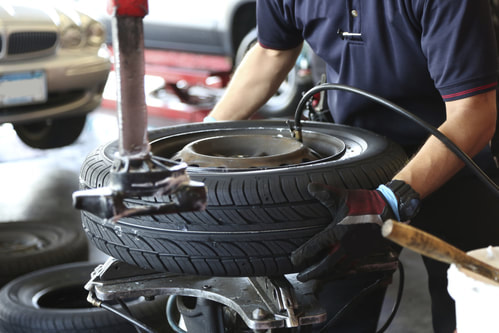
Loose-fitting hardware is a situation where something mechanical is not securely fastened or attached to the vehicle. This can cause problems with the vehicle, such as loss of steering, handling, or braking capability.
There are several different types of loose-fitting hardware in vehicles, including:
- Bolts that do not have a snug fit in their sockets or nuts that do not have a firm grip on their threads or washers that do not sit flat against surfaces.
- Belts that are too long, too short, missing, or broken teeth.
- Gaskets that are too small or missing completely.
- Brakes that squeak when they are applied and/or released.
- Wheels and tires that don't turn easily or properly due to loose bearings or hubs.
- Suspension components that bind when they should be free to move.
Bent, missing, or broken wires can be common towing problems. These issues can occur when your vehicle's electrical system malfunctions and causes the wiring to become disconnected or damaged. Some of the most common causes of broken or damaged wiring in vehicles include accidents, collisions, and improper maintenance. Sometimes, you may notice that a specific light or indicator is not working properly.
However, it is important to understand that Bent, missing, or broken wires do not always indicate a serious underlying problem with your vehicle's electrical system. It is best to have your vehicle inspected by a professional mechanic if you notice any problems with the electrical system. They can diagnose the issue and recommend appropriate repairs.